Everyday Life In Cold Spring For NYC Transplants
April 16, 2026
April 16, 2026
Thinking about trading your New York City routine for Hudson River views and a smaller-town pace? Cold Spring often catches the eye of NYC buyers for good reason: it offers real walkability, train access to the city, and easy access to the outdoors in a village that feels active without feeling overwhelming. If you are wondering what day-to-day life actually looks like after the move, this guide will help you picture the rhythm, tradeoffs, and perks of living here. Let’s dive in.
Cold Spring is small in the best sense of the word. According to a New York State Parks analysis, the village had 1,844 residents in 2022 and covers just 0.59 square miles, which helps explain why so much of everyday life feels close at hand.
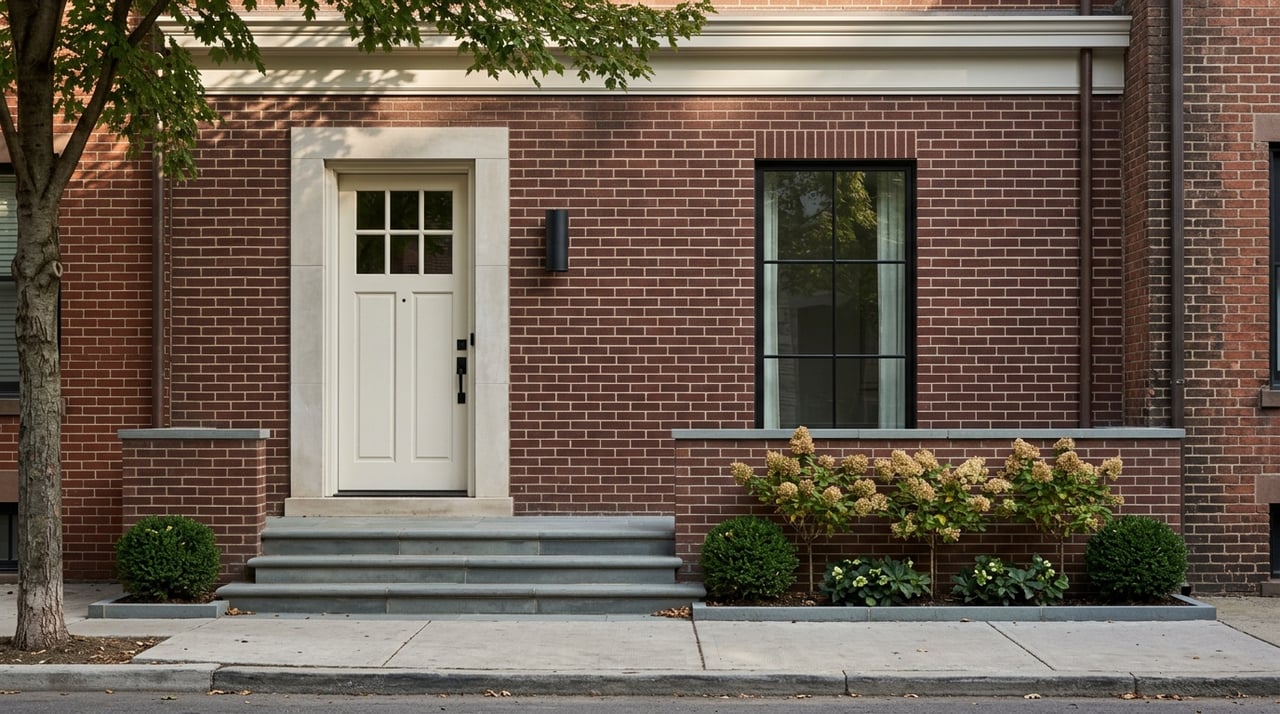
That compact scale shapes how you move through the day. Village planning materials describe Main Street as a lively hub, and the village visitor page highlights a waterfront setting, historic character, and a mix of shops and local activities. For many NYC transplants, that means you can swap long crosstown trips for a routine that feels more immediate and grounded.
If you live in or near the village center, Main Street becomes part of your weekly rhythm. The village’s comprehensive plan describes a retail base that includes restaurants, cafes, take-out spots, and a hardware store, which gives you a practical snapshot of the kind of everyday errands and quick stops Cold Spring supports.
This is not a full-service suburb with endless big-box convenience. Instead, it is a compact village where many daily needs, casual meals, and spontaneous outings cluster in one walkable area. That setup is often a big lifestyle shift for former city residents who want charm and convenience, but in a more local, slower-paced setting.
One reason Cold Spring remains especially attractive to city buyers is that the connection to Manhattan is still very real. The village’s getting here page says public transportation is the best way to reach Cold Spring, with Metro-North on the Hudson Line serving the village.
A state parks analysis notes that the trip to Grand Central takes about 90 minutes, and the MTA station page shows multiple weekday trains serving Cold Spring. The station is also accessible, with elevators, a ramp, tactile strips, and ticket machines.
For NYC transplants, this often makes a hybrid routine possible. You may not be popping into Manhattan as casually as you once did, but the city can still remain part of your work life, social life, or both.
Cold Spring is genuinely walkable, especially in the lower village and Main Street area. Planning documents describe a pedestrian-heavy area near the visitor center and lower village, and that walkable core is a major part of the village’s appeal.
At the same time, daily life here includes some practical constraints. The village has regulated parking rules, including Main Street limits and residential permit parking on many streets during weekends and holidays. In other words, walkability is a real asset, but parking strategy also becomes part of village living.
That balance matters if you are moving from the city with one car, two cars, or no car at all. Depending on where you live and how often you host guests, parking rules and weekend traffic patterns may shape your routine more than you expect.
Cold Spring has a strong local identity, but it is also a destination. The village visitor page promotes shopping, dining, historic tours, and waterfront appeal, which helps explain why weekends can feel busier than weekdays.
For some newcomers, that extra energy is part of the charm. There is a livelier feel in town, and the village can feel animated and social. For others, it simply means learning when to head out early, when to walk instead of drive, and when to expect more traffic and tighter parking.
One of the biggest lifestyle changes for NYC transplants is how easily nature can become part of a normal week. Hudson Highlands State Park Preserve includes more than 8,000 acres and over 70 miles of trail, with access to hiking, fishing, hunting, birding, and nearby kayak and canoe opportunities.
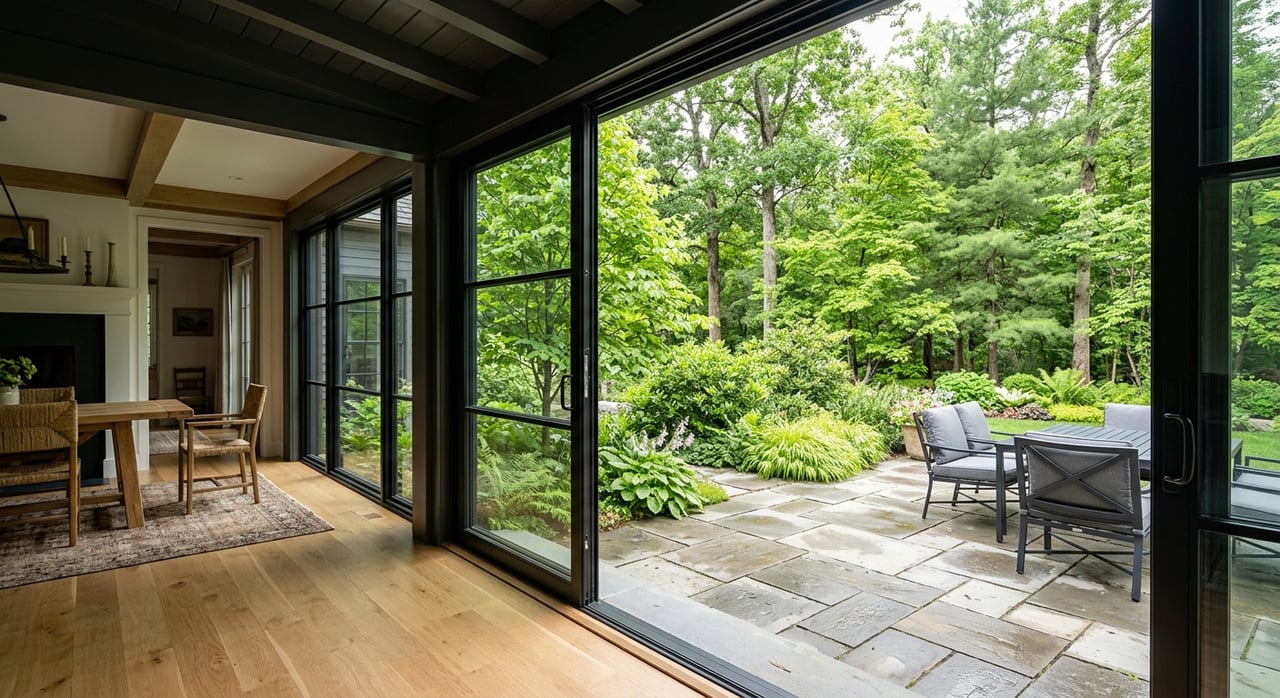
That means outdoor time does not need to be a special event. A walk near the river, a quick trail outing, or a more ambitious weekend hike can become part of your standard routine instead of a once-in-a-while escape.
There is one important caveat: the convenience comes with demand. NYS Parks notes that parking is limited and weekends are very busy, so enjoying the outdoors here often means planning ahead, especially in peak times.
If outdoor access is a major reason you are considering Cold Spring, current trail conditions are worth noting. NYS Parks says Breakneck Ridge and other nearby trailheads, along with the adjacent Breakneck Ridge station, closed beginning April 21, 2025 for a two-year project.
The same parks source notes that the Washburn trailhead near Little Stony Point remains open during that closure. Additional parking for Little Stony Point is available at the Cold Spring train station. For everyday life, that means the outdoor options are still strong, but the exact logistics may look a little different during this period.
Life in Cold Spring tends to feel edited compared with the city. You are not choosing from an endless list of nearby options every hour of the day. Instead, you get a more focused set of local businesses, regular routines, and familiar places.
The village visitor page points to dining options ranging from pizza and baked goods to more polished restaurants, along with boating, cycling, hiking, and kayaking. That mix supports a lifestyle that is active and enjoyable, but it is not built around constant variety in the way NYC is.
For many transplants, that trade feels refreshing. Everyday life can become less about maximizing options and more about settling into places you return to often.
Cold Spring’s rhythm is shaped by village events, outdoor access, and recurring civic routines. The village scheduled Community Day 2025 at Dockside Park with live music, food, drinks, and festivities, and the Recreation Commission meets monthly on the third Tuesday.
Village planning documents also describe the Butterfield site as the setting for the weekly Cold Spring Farmers’ Market. Together, those details paint a picture of community life that feels neighborly and recurring rather than anonymous or fast-moving.
For NYC movers, this is often one of the biggest emotional shifts. You may trade constant stimulation for something more rooted in seasonality, local events, and familiar faces.
If you are moving with children, village scale can shape daily logistics. The Haldane Central School District says its three schools share one campus in Cold Spring and describes itself as a small, close-knit school community in the historic village.
That does not tell you everything about the experience, but it does help explain the feel of family life here. School calendars, local events, and village routines can play a visible role in the weekly pattern of life.
This is one of the most helpful ways to understand Cold Spring before you move. It is not trying to function like Manhattan, and it is not trying to function like a sprawling suburb either.
Instead, Cold Spring offers a specific combination: a small river village, real train access, a walkable center, and immediate proximity to the Hudson Highlands. The tradeoff is that weekend crowding, parking management, and a more limited retail base are part of the deal too.
For the right buyer, that balance is exactly the point. You get a place where daily life can feel more intentional, more scenic, and more connected to community, while still keeping one foot in the city when needed.
If you are considering a move and want help understanding how Cold Spring compares with nearby Hudson Valley communities, Melissa Carlton offers thoughtful, local guidance rooted in real day-to-day knowledge of the area.
Stay up to date on the latest real estate trends.
With more than two decades in real estate and 30 years living in the Hudson Valley, we bring unmatched local insight and seasoned guidance to every client she represents.