Cottages, Lofts And Townhomes: Beacon Home Styles Explained
May 21, 2026
May 21, 2026
If you have started looking at homes in Beacon, you have probably noticed something right away: one listing might be a charming cottage on a historic street, while the next is a loft-style apartment near downtown or an attached townhome with a more compact footprint. In a small city with a lot of architectural character, those differences matter. Understanding how Beacon’s main home styles line up with your budget, upkeep preferences, and daily routine can help you shop with more clarity. Let’s dive in.
Beacon is a compact Hudson River city with 15,292 residents spread across just 4.74 square miles. That smaller footprint, combined with an owner-occupied housing rate of 61.1%, helps explain why housing style and location play such a big role in your decision.
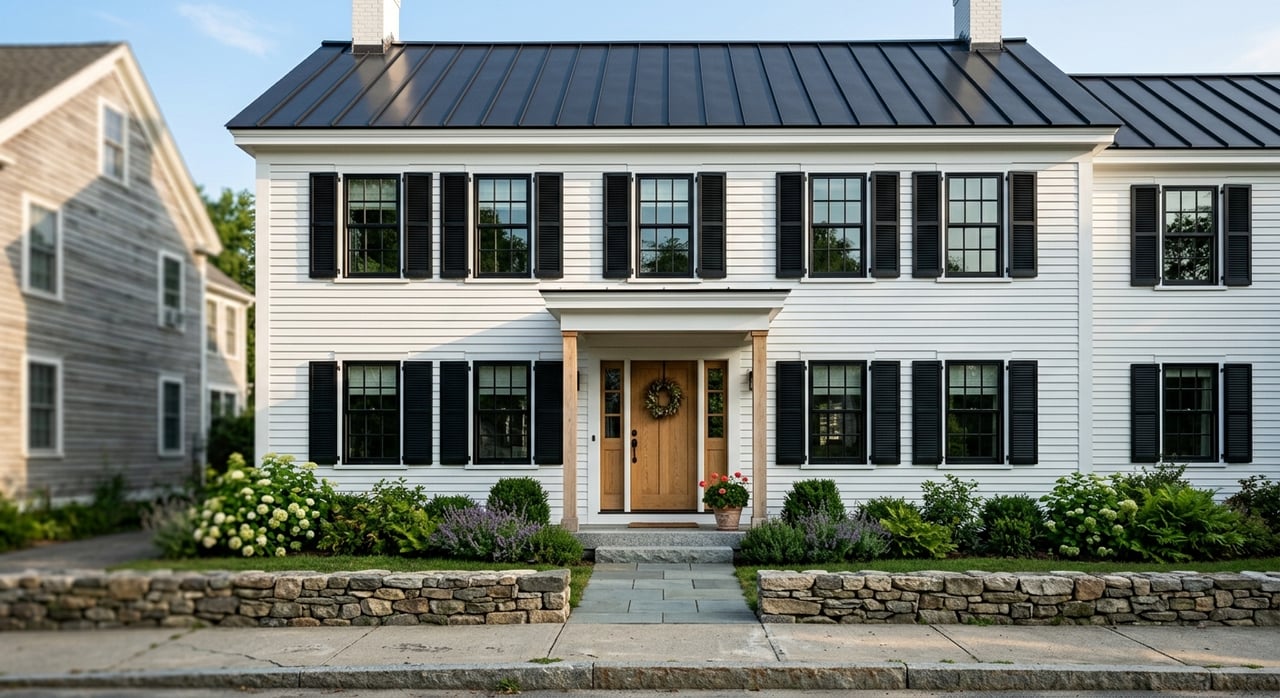
The city also has a strong preservation focus. Beacon says about 280 properties are protected by its Historic District and Landmark Overlay Zone, covering roughly 597 acres, or about 20% of city land. On top of that, more than 50 city properties are listed in the State and National Registers of Historic Places, which helps shape the older, character-rich feel you see in many parts of the city.
That history matters because it influences what kinds of homes are available and how they may be updated. In Beacon, the local historic overlay is the key factor for exterior renovation review, not simply whether a property appears on a state or national register.
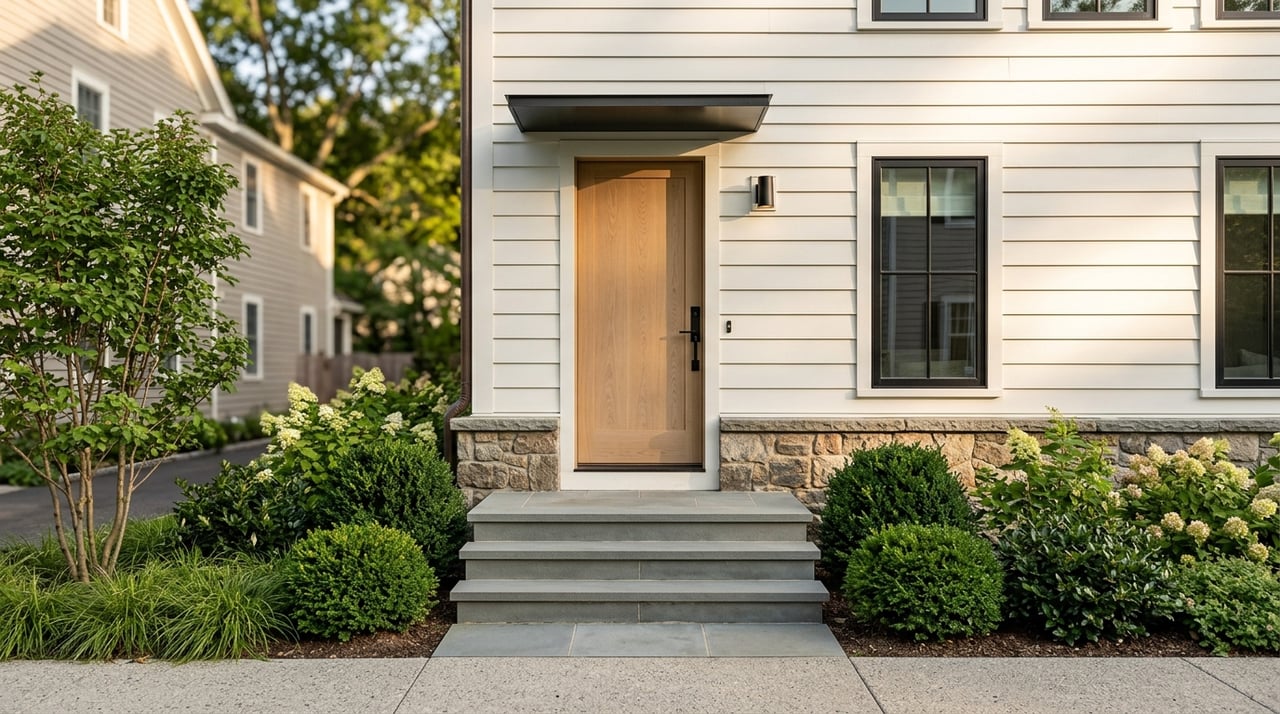
In Beacon, “cottage” is usually best understood as a small detached older house, not a formal city-defined housing category. You will often see this label used for modest single-family homes that offer vintage charm, efficient square footage, and a more intimate scale.
These homes fit naturally into Beacon’s older residential areas and preserved neighborhoods. They may sit on established streets near other historic homes, and they often appeal to buyers who want character over a more standardized suburban layout.
A cottage can be a strong fit if you want a detached home with personality and a manageable footprint. Many buyers are drawn to details that feel harder to find in newer housing, along with the experience of living in a neighborhood shaped by Beacon’s history.
For some buyers, a smaller older home also creates a more approachable way to enter the market than a larger historic property. That said, purchase price is only part of the equation. Condition, systems, and future maintenance can all affect the true cost of ownership.
If a cottage sits within Beacon’s historic overlay, exterior changes may require a certificate of appropriateness. That can affect plans for windows, siding, additions, roofing, and other visible updates.
This does not mean you should avoid older homes. It simply means you should understand the approval path early, especially if you hope to renovate soon after closing.
The clearest technical definition comes from the Census, which classifies row houses and townhouses as “1-unit attached” homes. In simple terms, these are separate homes that share a wall from ground to roof.
In Beacon, that attached-home format makes sense because the city has an older street pattern and a compact built environment. Instead of the spread-out feel you might find in a conventional subdivision, attached homes often reflect a more in-town style of living.
Townhomes and other attached homes can be appealing if you want a balance between private ownership and a smaller exterior footprint. They may work well for buyers who like being close to Main Street, transit connections, or everyday errands without taking on the full maintenance profile of a larger detached house.
They can also appeal to buyers coming from denser urban areas who still want a front door of their own. If your goal is to stay connected to Beacon’s walkable core while simplifying upkeep, this category is worth a close look.
Attached living often means less separation from neighbors than a detached cottage or single-family house. In exchange, you may gain a more compact layout and a location that supports a simpler daily routine.
For many buyers, the real question is not whether one style is better. It is whether your priorities lean more toward privacy and outdoor space or convenience and efficiency.
Beacon’s loft and apartment market is closely tied to the city’s industrial past and downtown reinvestment. The city’s comprehensive planning documents describe mixed-use redevelopment as an important part of Beacon’s resurgence, and local housing resources identify West End Lofts among the city’s apartment options.
Dutchess County’s 2024 rental survey also tracks several Beacon apartment developments, including Edgewater, West End Lofts, 7 Creek Drive, 344 Main Street, Highland Meadows Senior Development, The Beacon, and Lofts at Beacon Falls. Together, those properties show that Beacon has a meaningful apartment and loft submarket.
Lofts, condos, and downtown apartments usually appeal to buyers or renters who want an in-town experience. In many cases, that means trading private yard space for easier access to downtown destinations and less exterior upkeep.
If you picture your ideal routine as being closer to Main Street, transit, and a more compact living setup, this style can make a lot of sense. It is often a strong fit for people who value convenience and want their home base to feel connected to the city around them.
Transit access is a major part of the equation in Beacon. The city says the G Bus starts and ends at the Metro-North train station and stops along Main Street and elsewhere in the city. The MTA also notes that Beacon station is on the Hudson Line, includes elevator and ramp access, and connects with ferry and bus service.
That network helps explain why lofts, apartments, and other in-town homes attract buyers who want a car-light routine. Beacon’s mean travel time to work is 41.4 minutes, which supports its role as a place that serves both local residents and commuters.
Beacon’s housing mix is not limited to single-family homes and loft-style living. Two-family, three-family, four-family, and accessory-apartment properties are also an important part of the local conversation.
The city participates in the ADU Plus One Program, and selected homeowners may be eligible for grants of up to $125,000 per unit. Beacon also regulates ADUs under city code as Accessory Apartments, which makes these properties especially relevant for buyers thinking about flexibility.
These homes can serve different goals depending on your needs. Some buyers look at them for multigenerational living. Others want a primary residence with rental support, or a property that offers a little more versatility over time.
Beacon also notes that one-family, two-family, accessory-apartment, and multifamily dwellings can be used as short-term rentals if they meet the city’s permit requirements and primary-residence rules. If rental use is part of your thinking, local rules should be reviewed carefully before you move forward.
If a multifamily or accessory-apartment property sits within Beacon’s historic overlay, exterior updates may still be subject to local review. The city’s comprehensive plan also notes that some properties in the overlay may be allowed, by special permit, to include residential uses of up to four apartments in a building.
That means style, use, and regulation can overlap in ways that are very specific to the property. In Beacon, it is especially important to evaluate the home itself, not just the broad category it falls into.
The best fit usually comes down to how you want to live day to day. Beacon’s home styles make more sense when you look at them through the lens of lifestyle, upkeep, and flexibility.
Here is a simple way to think about it:
Budget also plays a role. Census data shows a median owner-occupied value of $471,600 in Beacon and a median gross rent of $1,658, which gives helpful context as you compare owning, renting, or pursuing a property with income potential.
In a place like Beacon, home style is never just about architecture. It is also about the block, the overlay rules, the commute, and how you want your home to support your routine.
That is why local context matters so much. Two homes may both be described as charming or convenient, but they can come with very different upkeep expectations, approval requirements, and long-term fit.
If you are sorting through Beacon cottages, lofts, townhomes, or multifamily options, having clear guidance can save you time and help you focus on homes that truly match your goals. If you want help narrowing your search or making sense of Beacon’s housing mix, connect with Melissa Carlton for thoughtful, local guidance.
Stay up to date on the latest real estate trends.
With more than two decades in real estate and 30 years living in the Hudson Valley, we bring unmatched local insight and seasoned guidance to every client she represents.